
“We’ve reached a point where the idea that advertising can change things is more important than ever,” says Ali Morgan, CEO of RCP, the independent creative agency now in its 21st year.
At a time when several iconic agency brands disappeared in 2025 amid consolidation and relentless efficiency drives, RCP’s leadership is pushing back against what they see as a hollowing out of the industry. Their mission is clear: to restore love, belief and humanity to advertising, without apology.
From playground inspiration to agency leadership
RCP’s origin story offers insight into its philosophy. The agency was founded 21 years ago by three childhood friends, including Dan Jacobs, who were drawn to advertising through a shared sense of curiosity and excitement. One moment in particular stuck.
“We watched the Tango slap advert being filmed at the end of our road,” Jacobs recalls. “Within days of it coming out, everyone was slapping each other in the playground. Tango was suddenly the drink. It had captured our hearts as well as our attention.”
That early experience of advertising shaping culture left a lasting impression. Today, RCP operates as part of a broader house of brands within the Not Normal Group, but remains the original agency at its core. The name itself stands for Relentlessly Creative People, a reflection of its focus on brand-building ideas designed to resonate emotionally.
Chief Creative Officer Dan Jacobs believes this focus is increasingly rare. “There’s far too much work that does nothing,” he says. “We’ve raced to the bottom in the name of efficiency.”
CSO Dom Roe finds that the industry’s fixation on cost-cutting and media spend has drained creativity of its power. “You can make something cheap and put all your money into media, but if no one cares, no one watches. It becomes the one-second ad everyone skips.”
The clients that truly matter
RCP is selective about the work it takes on. For Morgan, the most energising briefs share a common trait: ambition.
“We want clients with an appetite for change,” he explains. “A brief that asks for incremental improvement, a one per cent uplift, doesn’t excite us. What excites us is a brand saying, for example, ‘We’re in decline and we need to do something radically different.’”
Equally important is a shared belief in advertising itself. “The best relationships are with marketers who genuinely love advertising,” Morgan says. “That belief creates space to push further.”
He recalls a former CMO at New York Bakery who constantly challenged the agency to go further. “They’d say, ‘This is great, but what’s the one thing missing that would really push it?’ That kind of thinking is fuel for an agency.”
The irony, Morgan notes, is that the data overwhelmingly supports this approach. Research consistently shows emotional brand building drives long-term growth, yet The CMO Survey indicates that around 70 per cent of budgets are still allocated to short-term tactics. That runs counter to the widely recommended 60:40 split between brand and performance.
Embracing conflict through positive antagonism
RCP does not shy away from disagreement. In fact, they actively encourage what they describe as “positive antagonism”.
“Conflict can be healthy, and compromise can be damaging,” Roe says. “We’re often taught the opposite, but in advertising, too much compromise usually leads to bland work.”
The key is alignment at the outset. By agreeing on ambitions and objectives early, conflict becomes productive rather than destructive. When disagreements arise, the agency can point back to what was promised and ask whether a new direction serves that goal.
Jacobs sees this tension as essential. “The strongest relationships involve debate. We care deeply about the work, so we argue about it, think about it, cry over it.”
For RCP, the alternative is far worse: work that pleases everyone internally but moves no one externally.
A culture rooted in connection
What surprises new hires most, Morgan says, is the genuine warmth within the agency. “People actually like each other,” he laughs, recalling a planning director who commented on it shortly after joining.
This culture is not incidental. RCP believes creativity thrives in environments built on trust, playfulness and psychological safety.
“Great advertising comes from mischief and fun,” Roe says. “It doesn’t come from fear or stress.”
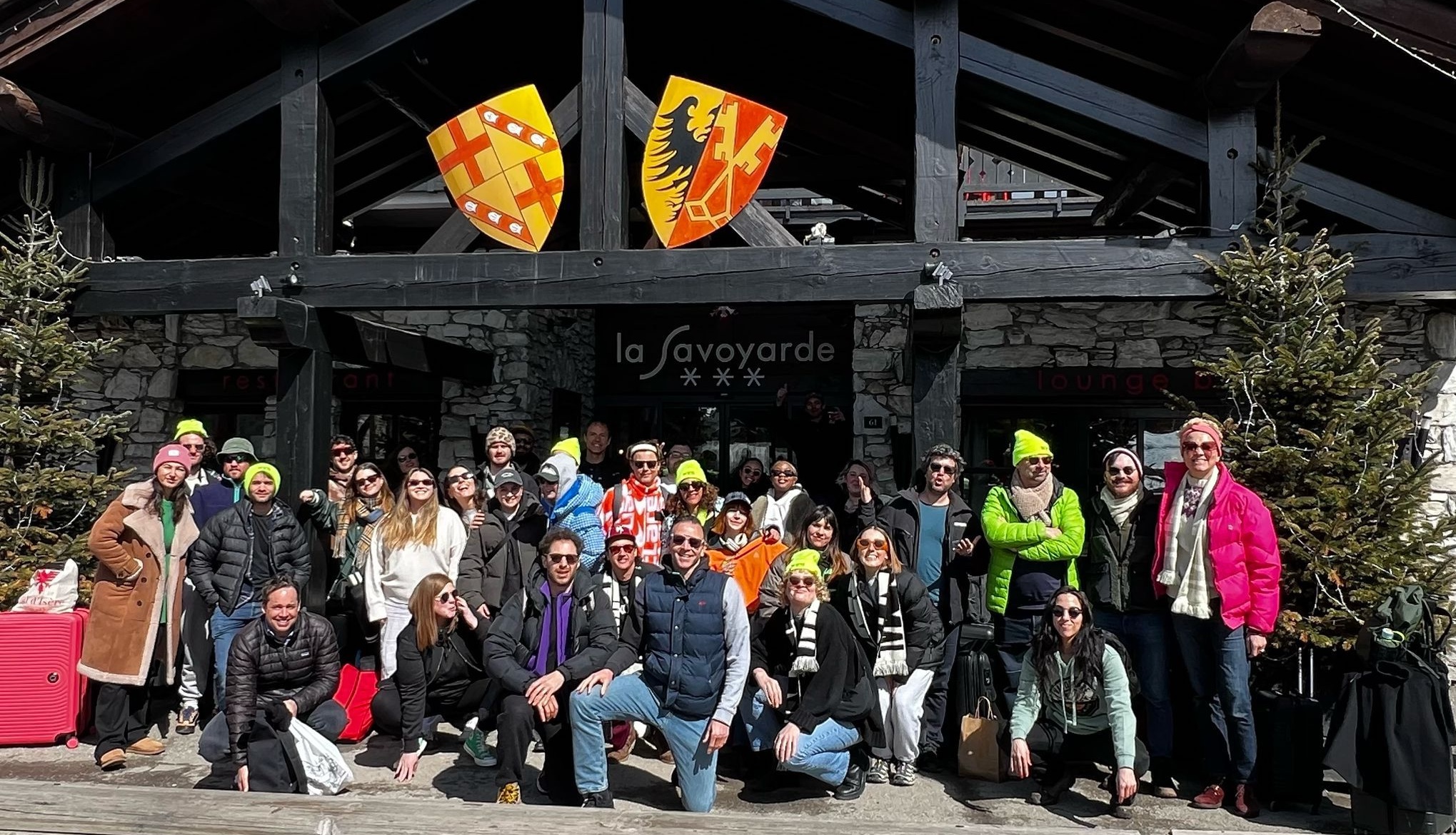
That belief informs decisions that might seem illogical on a spreadsheet. The agency invests in shared experiences, including company ski trips that Morgan admits “make zero financial sense but total cultural sense”.
The aim is to build relationships strong enough to withstand pressure, disagreement and ambition without burning people out.
Work that enters culture
RCP is most excited by work that transcends advertising and enters culture. “We’re not just making adverts,” Jacobs explains. “We’re creating things that challenge how people think, behave or interact.”
A recent example is the agency’s award-winning campaign for Old Spice. To reach a segment of urban youth culture unfamiliar with the brand, RCP collaborated with UK rapper Chip to create a diss track aimed at Lynx users, questioning their masculinity and positioning Old Spice as the alternative.
“It was a massive leap of faith,” Jacobs admits. The track was released organically through the artist’s channels before being amplified through paid media. It received 25 plays on BBC radio, an unusual achievement for branded content.
More importantly, it delivered commercial impact, opening retail opportunities that previously did not exist. At the other end of the spectrum, RCP’s work for Interactive Investor demonstrates its ability to apply emotional thinking within more traditional, premium financial contexts.
Looking forward: love as strategy
As the industry looks ahead, Morgan believes advertising has reached an inflection point. “I think we’ve gone past the bottom,” he says. “2026 feels like the year things start to swing back.”
That optimism is grounded in the limitations of performance marketing. “It works for a while, then it plateaus, then it drops. The industry needed to go through that to realise it isn’t enough on its own.”
RCP’s response is summed up in a simple mantra: love wins.
For Jacobs, this belief extends beyond the work itself. “It’s how you treat clients, how you pitch, how you collaborate, how you build culture. In the end, love wins.”
Roe agrees. “We’ve put our hearts on the line with this belief system. It would be incredible to see more of the industry move away from fear and towards optimism again.”
In an era defined by efficiency and optimisation, RCP is making a deliberate, countercultural case. The work matters, but so does the way it is made. And without love, advertising loses the very thing that made it powerful in the first place.





.jpg)

